Guide

How to Choose the Right Type of Scanning

The right scan is not chosen by resolution alone. Film format, original condition, tonal range, intended use and handling requirements all influence which scanning method makes the most sense. A professional workflow begins by matching the type of scan to the material, not by forcing every original through the same process.
A practical guide to choosing the most suitable scanning path for film, transparencies, prints and other photographic originals.
  • 8 min read
  • Updated 2026
  • Scan Hub Lab
In this article
  • The best type of scanning depends on the original, not on marketing terms alone.
  • Drum scanning, virtual drum scanning and flatbed capture each serve different purposes.
  • Format, condition, density, flatness and output goals all affect the right choice.
  • Higher specification does not always mean better handling for every original.
  • A good lab chooses the workflow that protects the original and supports the final result.

single_article_page_hero_section_image_alt
Choosing a workflow
The right scan begins with the right question
Many clients begin by asking which scanner is best. In practice, the better question is which type of scanning is most appropriate for the original and the intended result.


This matters because scanning is not a single universal process. Different originals behave differently under capture. Some films reward maximum extraction and tonal depth. Others need a safer or more efficient handling path. Some projects are driven by archival goals, some by printing, some by retouching, and some by the need to compare one workflow against another.


The right choice usually depends on a combination of factors:


  • the type and size of the original,
  • its physical condition,
  • its density and tonal structure,
  • the required file size and use,
  • and the level of handling risk that is acceptable.
  • Only after those questions are clear does scanner choice become meaningful.
Core principle
There is no single best scan for every original
A common misunderstanding is that scanning methods can be ranked in a simple universal order. In reality, the strongest workflow is the one that best matches the material.

A high-end drum scan may offer exceptional extraction, tonal subtlety and enlargement potential, but that does not automatically make it the right solution for every frame. A virtual drum workflow may provide an excellent balance of quality, consistency and practical handling across many formats. A flatbed workflow may be entirely appropriate for reflective materials, mixed originals or archive-oriented projects where flexibility matters more than absolute extraction from film.

For that reason, professional labs usually assess not only image quality in the abstract, but also:

  • how the original should be handled,
  • how much detail can realistically be extracted,
  • how stable the material is during capture,
  • and whether the result is aligned with the purpose of the scan.
  • This is why responsible scanner selection is always conditional, never automatic.
Scanning types
Understand the main scanning paths before choosing
For most photographic and archival projects, the choice usually falls between three broad types of scanning workflow.

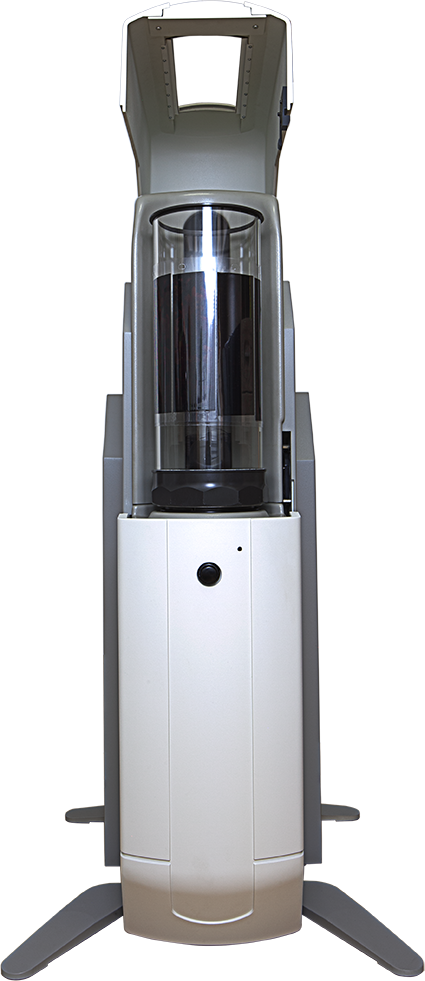
Drum scanning is typically chosen when maximum image extraction is the priority. It is often associated with very high resolving power, strong shadow separation, refined tonal transitions and excellent enlargement potential. It is especially relevant for demanding film originals where the final output may be large, critical or highly scrutinised.

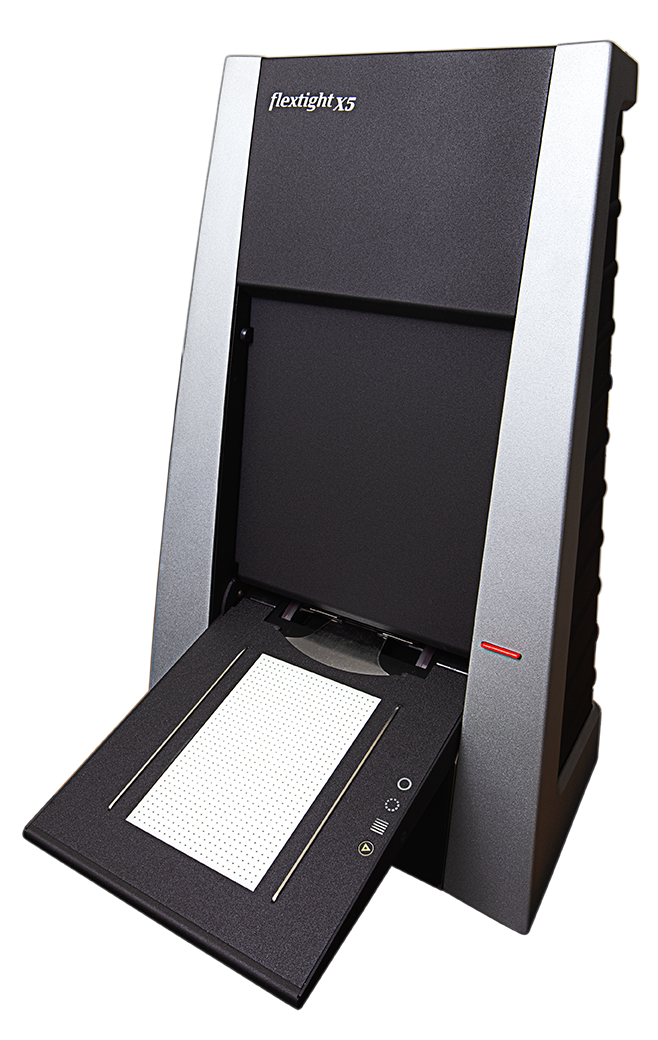
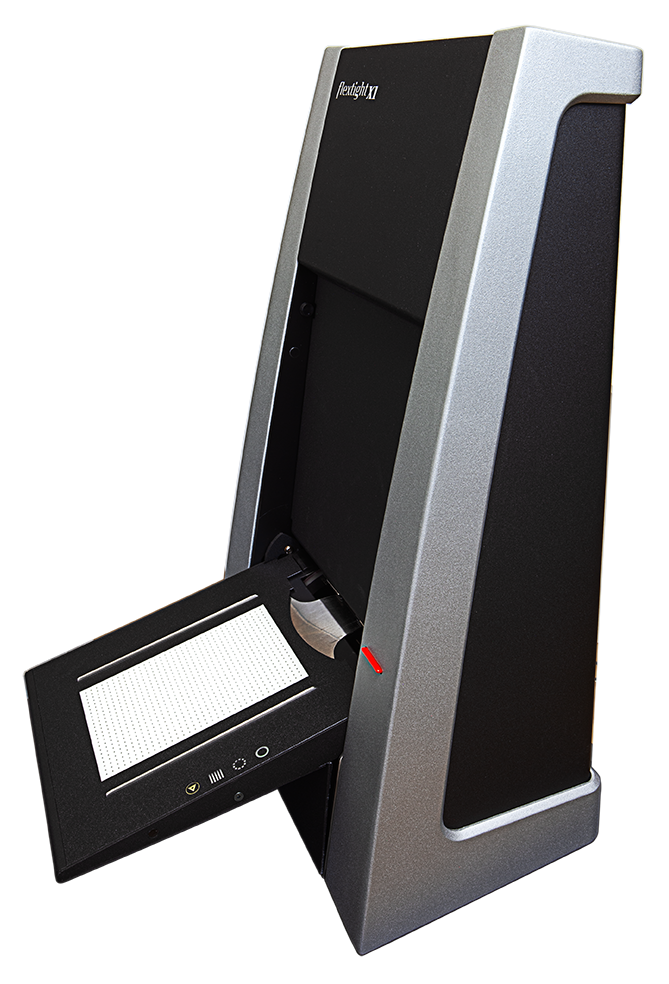
Virtual drum scanning is often the preferred middle path for professional film work. It offers high-quality capture, broad format support and a more practical balance between performance, efficiency and handling. In many real-world projects, it is the most versatile choice for photographers, archives and studios who need serious quality without treating every original as an extreme case.

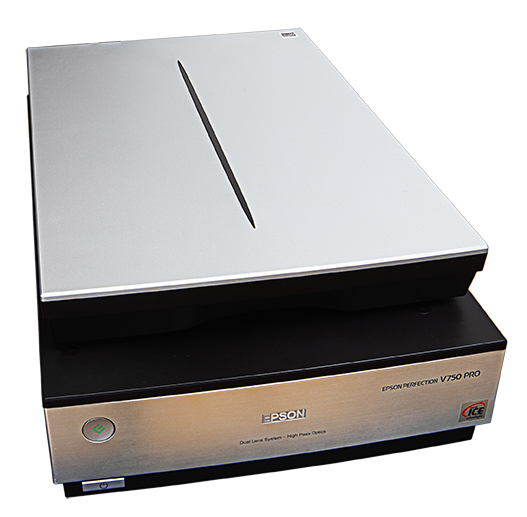
Flatbed scanning is usually the most appropriate option for reflective materials and for some mixed or archive workflows. It can also be useful where format flexibility and gentle handling are more important than extracting the absolute maximum from a transparency or negative.

The important point is not the label of the method, but its suitability for the original in front of you.
By original type
Start with the material you actually need to scan
The most reliable way to choose a scan type is to begin with the original itself.

Film negatives and transparencies usually benefit from dedicated film workflows. These originals often contain far more information than casual viewing suggests, especially in shadow areas, dense highlights and subtle tonal transitions. For this reason, they are usually best matched with drum or virtual drum scanning depending on the condition of the material and the quality target of the project.

Reflective originals such as photographic prints, Polaroids, artwork reproductions or paper-based images follow different priorities. Their surface, texture, flatness and reflectance matter more than film density. In such cases, a flatbed or specialised reflective workflow is often more appropriate than a film-oriented scanning path.

Mixed archives require a broader decision model. When a project includes negatives, slides, contact prints, proof sheets and reflective documents, the most effective solution is often not one universal scanner, but a workflow that assigns each material to the most suitable capture method.

This is one of the clearest signs of a serious lab: it does not try to make every original fit the same machine.
By output goal
Choose the scan by what the file must do later
A scan should be chosen not only by the original, but also by the intended use of the file.

If the goal is museum-quality preservation, critical retouching or very large printing, the workflow should prioritise extraction, tonal precision and file robustness. In these cases, a higher-end film scanning path is often justified.

If the goal is publication, editorial production, portfolio use or high-quality working files, a balanced workflow may be the better choice. It can deliver excellent detail and strong tonal information without adding unnecessary complexity.

If the file is intended primarily for access, reference, cataloguing or internal archive use, the most appropriate scan may be one that is organised, consistent and efficient rather than technically maximal.

It helps to define this before scanning begins:

  • Is the file a master archive file?
  • Is it intended for print?
  • Will it be heavily retouched?
  • Is the goal comparison, publication or record-keeping?
  • Is maximum extraction necessary, or is a balanced workflow more suitable?
  • When these questions are answered clearly, the type of scanning becomes much easier to choose correctly.
Image quality
Resolution matters, but it is not the whole decision
Clients often compare scan types by quoted resolution alone. This is understandable, but incomplete.

A useful scan is not defined only by pixel count. Real image quality also depends on:

  • how the scanner resolves actual detail,
  • how it separates dense or subtle tones,
  • how well it holds shadow information,
  • how stable the film remains during capture,
  • and how cleanly the workflow translates the original into a practical working file.
  • In other words, the number attached to a scan can be less important than the quality of the capture behind it.

This is particularly important with high-end film scanning. A technically larger file is not always a more useful file. If the original is soft, damaged, curled, low in information or poorly suited to a certain handling method, scanning beyond what the material can support may add file weight without adding meaningful image value.

The right type of scanning should reveal what is truly present in the original, not simply enlarge its flaws.
Film condition
Condition can be more important than specification
The physical state of the original often determines which workflow is safest and most sensible.

Flat, clean and stable film gives the lab more options. Curled, brittle, warped or fragile film may limit those options significantly. In such cases, the best scanner on paper may not be the best scanner in practice if the handling path introduces unnecessary risk.

This is one reason why scanner choice should never be reduced to a simple hierarchy. The condition of the film affects:

  • mounting suitability,
  • focus stability,
  • handling safety,
  • the risk of repeated contact,
  • and the consistency of the final capture.
  • A careful lab should therefore consider not only image potential, but also whether the original should go through an intensive or more conservative workflow.
Speed and budget
Not every project needs the most intensive scan
Choosing the right scan also means avoiding unnecessary over-specification.

Some originals justify the highest level of capture. Others do not. If the material is being scanned for internal reference, moderate-size print, contact-sheet review or standard publication, the most expensive or time-intensive option may not provide meaningful practical benefit.

This does not mean lower quality. It means choosing proportionately.

A strong workflow balances:

  • the value of the original,
  • the demands of the output,
  • the time available,
  • the level of extraction that is actually useful,
  • and the budget of the project.


Clients are usually best served when the lab explains the differences honestly rather than treating every job as if it requires the most expensive option.
Comparison logic
How to think about drum, virtual drum and flatbed scanning
A simple way to think about the main workflows is this:

Drum scanning is often the choice when the project demands the highest level of extraction from film and when the original is suitable for that path.

Virtual drum scanning is often the choice when high-end film quality is needed across a broader range of practical assignments, especially where flexibility, consistency and efficient professional workflow matter.

Flatbed scanning is often the choice when the original is reflective, mixed, archive-oriented or better served by a non-film-specific capture approach.

None of these methods is “best” in isolation. Each becomes strong when matched to the right material and the right objective.
Practical decisions
How to choose the right scan in real situations
In practice, the decision often becomes clearer through examples.

If you have a well-preserved medium format transparency intended for a large fine art print, a higher-end film scanning path is usually justified.

If you have a batch of 35 mm or medium format negatives for professional editing, publication or portfolio work, a virtual drum workflow may offer the best balance of quality, speed and cost.

If you have family photographs, Polaroids, printed artwork or mixed reflective originals, a flatbed or reflective workflow is often the correct starting point.

If you have fragile archival film, the first decision may not be quality ranking at all. It may be which workflow allows the original to be handled most safely while still producing a strong result.

This is why good labs ask questions before giving fixed answers.
What to ask
Questions worth answering before you order
Before choosing a type of scanning, it helps to clarify a few key points:

  • What exactly is the original: negative, transparency, print or mixed material?
  • What format is it?
  • What condition is it in?
  • Is it flat and stable, or curled and delicate?
  • What is the final use of the file?
  • How large will it be printed, if at all?
  • Is maximum extraction required, or is a balanced professional file enough?
  • Does the project involve one important image or a larger batch?
  • The clearer these answers are, the easier it is to recommend the most suitable workflow without guesswork.
Quick guide
How to choose the right type of scanning at a glance
Table:
Situation Main priority Recommended scanning direction
Large print from a strong film original Maximum image extraction Consider a high-end drum scanning workflow
Professional film work across multiple formats Balance of quality, handling and efficiency Consider a virtual drum scanning workflow
Reflective originals such as prints or Polaroids Surface capture and format flexibility Consider a flatbed or reflective scanning workflow
Fragile, curled or physically uncertain film Original safety and handling control Choose the workflow by condition first, not by ranking
Archive or reference digitisation Consistency, organisation and practicality Use the scanning path that best fits the collection and intended access needs
Important note
The highest-end option is not always the right option
In scanning, better results come from better matching, not from bigger claims.

A premium workflow makes sense when the original and the project can benefit from it. But if the material is unsuitable, fragile, low in usable information or intended for a more moderate output, the correct professional decision may be a different type of scan.

That is not a compromise. It is good judgement.
Before you order
Common questions about choosing a scan type
Question:
Is drum scanning always the best option?
Answer:
No. Drum scanning can be exceptional for certain film originals and output goals, but it is not automatically the right choice for every material, condition or project.

Question:
How do I know if I need a high-resolution scan?
Answer:
That depends on the size of the original, the intended print size, the need for retouching and how much real information the original contains. The right resolution should follow the purpose of the file.

Question:
Can film condition change the recommended scanner?
Answer:
Yes. Curl, brittleness, surface damage, warped strips and general instability can all affect which workflow is most appropriate and safest.

Question:
What if I am scanning both film and prints?
Answer:
Mixed projects are usually best handled with more than one capture path. Different originals often require different workflows for the best result.

Question:
Should I choose based on scanner name alone?
Answer:
No. The scanner matters, but the final result depends on the entire workflow: handling, calibration, operator judgement, material condition and the intended use of the file.
How we work
We choose the scanning path by original, condition and purpose
At Scan Hub, we do not treat scanner choice as a fixed sales tier. We treat it as a workflow decision.

We review the type of original, its format, physical condition and intended output before recommending a scanning path. That may mean drum scanning for critical extraction, virtual drum scanning for high-end film work across a wide range of formats, or flatbed capture for reflective and archive-oriented materials.

This approach helps us create a workflow that is:

  • appropriate to the original,
  • safer in handling,
  • clearer in purpose,
  • and stronger in final image quality.
  • For many clients, the most valuable part of the service is not simply access to high-end scanners, but the ability to compare and choose the right path in one calibrated environment with one experienced point of contact.
Related equipment
Different film condition and output goals may require different scanning paths
Not every film original should be handled in the same way. The scanner and workflow should be matched to both the condition of the material and the intended output.
Related articles
Further reading on scan preparation and workflow decisions
Explore related guides on resolution, scanner choice and film condition to plan a safer and more effective scanning workflow before the original reaches the scanner.

Not sure which type of scanning is right for your originals?

Tell us what you have, what condition it is in and what you need the files to do. We can recommend the most suitable scanning workflow before the project begins.


  • Original type
  • Film format or print size
  • Condition of the material
  • Quantity of originals
  • Intended use of the files