Guide

How to Organise a Mixed Family Photo Archive Before Scanning

A mixed family archive rarely arrives in one neat format. It may include photo prints, negatives, slides, albums, envelopes, labelled boxes, unidentified film strips and loose photographs gathered over decades. Before scanning begins, the goal is not to create a perfect archive. It is to create enough structure to protect the originals, preserve their context and make the digital result more useful.
A practical guide to sorting mixed family photographs and film before scanning, without introducing unnecessary handling or risk.
  • 9 min read
  • Updated 2026
  • Scan Hub Lab
In this article
  • A mixed family archive should be organised for clarity, not over-processed.
  • The original order often contains important historical context and should be preserved where possible.
  • Prints, negatives, slides, albums and loose groups should usually be separated by type before scanning.
  • Good labelling improves both handling safety and digital file structure.
  • Fragile, stuck, damp or unidentified materials should not be forced into an artificial order.
  • Simple preparation before shipment can significantly improve the final workflow.

single_article_page_hero_section_image_alt
Before scanning
A mixed archive does not need perfect order, but it does need structure
Family photo archives are rarely uniform. Most have grown over time, across different cameras, formats, generations and storage habits. One box may contain lab prints from the 1980s, another may hold sleeved negatives, a carousel of slides, a small album, Polaroids, duplicate prints and handwritten notes.


That is normal.


Before scanning, the purpose of organisation is not to make the archive look tidy. It is to make it understandable. A well-organised mixed archive is easier to assess, safer to handle and far more likely to result in digital files that remain meaningful after delivery.


This is especially important when the archive contains multiple formats, partial labelling, fragile items or material that has already lost some of its context. Even a light level of organisation can help preserve relationships between items that might otherwise disappear during digitisation.


Before scanning begins, it is useful to identify:


  • the main types of originals in the archive,
  • whether any original order already exists,
  • which groups are clearly labelled,
  • which materials are fragile or problematic,
  • and what level of organisation is actually worth doing before shipment.


In most cases, good preparation means doing less, but doing it more clearly.
First step
Start by identifying the types of materials you actually have
Mixed family archives often become overwhelming because everything is treated as one large visual mass. A better starting point is to separate the archive into broad physical categories.

These commonly include:

  • photo prints,
  • negative strips,
  • mounted slides,
  • photo albums,
  • sleeved film,
  • APS cartridges,
  • medium format film,
  • large format sheets,
  • instant photographs such as Polaroids,
  • and documents or handwritten notes stored with photographs.

This first division is useful because different materials usually require different handling, different scanning paths and sometimes different resolution or output decisions.

At this stage, the task is not to date every image or identify every person. It is simply to create a basic map of the archive.

A mixed family collection becomes much easier to manage once it is no longer one box of memories, but several clearly defined groups of originals.
Original order
Keep the existing order if it still carries meaning
One of the most common mistakes in preparing a family archive for scanning is to destroy an existing order in the name of tidiness.

Old envelopes, sleeves, lab packets, annotated boxes, album sequences and slide trays often contain more information than they appear to. They may preserve chronology, event structure, family relationships, travel history or the way a particular photographer worked through time.

If a group of materials is already together and appears intentional, it is usually better to keep it together.

This may apply to:

  • negatives still in lab sleeves,
  • prints stored in dated envelopes,
  • slides arranged in sequence,
  • albums with a clear narrative order,
  • and small batches tied to one family event or trip.

Even when the order is imperfect, it may still be historically useful. Scanning can reproduce and extend that structure, but only if it has not been lost beforehand.

Where no meaningful order exists, a new simple structure can be introduced. But where an existing structure survives, it should usually be preserved.
Sorting strategy
Separate by type first, then by group, then by priority
For most families, the safest and most effective way to organise a mixed archive is to work in three levels.

First, separate by physical type:
prints with prints, negatives with negatives, slides with slides, albums with albums.

Second, divide each type into natural groups:
by envelope, by box, by family branch, by decade, by event or by any grouping that is already visible in the material.

Third, indicate priority:
which groups are most important, which are urgent, and which can wait for a later stage.

This approach is usually more useful than trying to build a perfect chronological archive from the beginning. Mixed family archives often contain missing dates, duplicate images and uncertain sequences. Trying to solve everything before scanning can slow the project dramatically and increase unnecessary handling.

A practical archive is better than a theoretically perfect one.
Prints
Loose photo prints should be grouped gently, not aggressively rearranged
Loose prints are often the largest part of a family archive. They may be found in shoeboxes, drawers, paper envelopes, albums, retail photo packets or mixed piles with little obvious structure.

Before scanning, it is usually enough to group prints by broad categories such as:

  • family branch,
  • period,
  • event,
  • location,
  • or box of origin.

If the chronology is uncertain, approximate grouping is still helpful. “Late 1970s to early 1980s” is better than no context at all.

It is usually not necessary to:

  • rewrite every caption,
  • remove every duplicate,
  • force a precise date where none is known,
  • or sort every image individually.

If there are captions or notes on the reverse, this should be clearly indicated in advance, especially if the backs are important to the archive. In some collections, the writing on the reverse is as valuable as the image itself.
Film and slides
Negatives and slides should stay in stable groups whenever possible
Film materials often contain the most image information in a family archive, but they also require more careful handling.

Negative strips, sleeved film and mounted slides should generally remain in their existing groups unless there is a clear reason to separate them. Original sleeves, frame order, tray position and handwritten identifiers may all be useful later.

Before scanning, it is helpful to note:

film format if known,
whether the film is sleeved or loose,
whether strips appear complete or cut,
whether slides are boxed or tray-organised,
and whether any groups correspond to specific prints or events.

What should usually be avoided:

cutting film into new lengths,
combining unrelated strips,
rewriting order without necessity,
or removing slides from an organised tray system for convenience.

Film originals often carry more hidden structure than prints do. Once that structure is broken, it is difficult to reconstruct objectively.
Albums and mixed containers
Albums, boxes and envelopes often contain the archive’s logic
Many family archives are not organised item by item, but container by container. A photo album, a holiday envelope, a labelled biscuit tin, a Kodak box or a drawer divider may already represent a meaningful archival unit.


This is important because the container itself often provides context.


For this reason, it is often useful to treat each album, box or envelope as a unit first, and only then review what is inside.


If the collection contains mixed containers, it can help to assign each one a simple reference such as:


This can later become the basis for digital folder structure and communication during intake.
Labelling
Simple labels can save a great deal of scanning time later
A mixed archive does not need museum cataloguing before it is scanned. But it does benefit greatly from clear and consistent labels.

The most useful labels are usually short, stable and easy to understand at a glance.

Examples include:

  • Smith family / 1970s / prints,
  • Parents before marriage / negatives,
  • Italy trip / slides,
  • Grandmother album / fragile,
  • Unidentified family branch / mixed prints,
  • and Priority group / for restoration review.

Good labels reduce confusion, repeated handling and unnecessary back-and-forth during the intake stage.

Where possible, labels should identify:

  • format,
  • group name,
  • approximate period,
  • priority level,
  • and any known handling concern.

Avoid overly detailed temporary notes scattered between objects. A small number of consistent identifiers is usually far more useful than many fragments of uncertain information.
What not to do
Do not over-organise the archive before scanning
Many families assume they must fully solve the archive before sending it for scanning. In practice, this often creates new problems.

Over-organisation may lead to:

  • loss of original order,
  • unnecessary handling,
  • mixing of unrelated items,
  • forced dating assumptions,
  • discarding duplicates that later prove useful,
  • and damage to fragile prints, sleeves or film.

A professional scanning workflow does not require the client to become an archivist first.

It is usually better to provide a collection that is clearly grouped, lightly labelled and honestly described than one that has been heavily rearranged in a rush.

If part of the archive is uncertain, it is perfectly acceptable to label it as uncertain.
Risk factors
Set aside fragile, stuck or problematic items as separate groups
Not every part of a family archive should move through the same path.

Some materials need special attention from the beginning, including:

  • prints that are stuck together,
  • damp or mould-affected items,
  • curling or brittle negatives,
  • broken slide mounts,
  • glass-covered photographs,
  • scrapbooks with lifting elements,
  • torn album pages,
  • and highly valuable or historically sensitive originals.


These should not be mixed into the routine workflow without warning. A separate label such as “fragile”, “stuck”, “possible mould” or “requires assessment” can be extremely helpful.

This is not only a matter of safety. It also helps determine whether the material should be scanned conventionally, reviewed first, or handled with a slower and less disruptive method.

Context
Preserve names, dates and relationships while they still survive
In family archives, the image is only part of the record. Context often survives in the form of handwritten notes, album captions, lab envelopes, slide markings, reverse-side annotations and the memory of the person organising the collection.

This information disappears quickly if it is not captured before or during scanning.

Where possible, it helps to record:

  • names of people,
  • family branch,
  • approximate date or decade,
  • place,
  • event,
  • and any relationship between prints and film.

This does not need to become a full catalogue. Even a simple list or spreadsheet can be enough. In many cases, a few pages of practical notes will preserve more meaning than hours of visual guessing later.

When the archive belongs to an older family member, this step can be especially valuable. Once the collection has been separated from living memory, many of its details become much harder to recover.
Workflow planning
Decide what should be scanned first and what can wait
A mixed family archive does not always need to be digitised in one single pass.

In many cases, it is more effective to define priority groups before scanning begins. This may include:

  • the most historically important material,
  • the most fragile material,
  • the images needed for a book or exhibition,
  • the branch of the family currently being researched,
  • or the part of the archive most at risk from deterioration.

This approach helps clients avoid two common problems:
  • scanning too much without structure,
  • or postponing the whole project because the collection feels too large.

A large archive can often be managed more successfully in stages.

When priorities are clear, the scanning workflow can be more focused, and the final digital archive becomes easier to navigate from the beginning.
Practical review
What to check before sending a mixed family archive for scanning
Before shipment or intake, a short review helps reduce uncertainty and keep the archive legible.

Checklist:

  • Have the materials been separated broadly by type?
  • Have meaningful original groups been kept intact?
  • Are albums, boxes, envelopes or trays identified clearly?
  • Are fragile or problematic items marked separately?
  • Is any existing labelling preserved?
  • Are priority groups clearly indicated?
  • Have reverse-side notes or captions been mentioned if important?
  • Is there any group whose order must not be changed?
  • Is there enough information to understand the collection without overhandling it?
Quick guide
Organisation priorities for mixed family archives
Table:
Situation Main concern Recommended approach
Mixed box of prints, negatives and slides Loss of order and scanning confusion Separate first by type, then keep natural groups intact
Clearly labelled envelopes and sleeves Loss of historical context Preserve original order and use existing labels
Loose prints with partial dates Over-sorting and uncertain chronology Group broadly by decade, branch or event
Albums and scrapbook material Sequence and handling safety Treat each album or container as a unit first
Fragile, stuck or damp items Physical risk during preparation Set aside, label clearly and avoid forced separation
Large archive with no clear plan Project overwhelm and inconsistent results Define priority groups before scanning begins
Important note
The best preparation is often lighter than people expect
A family archive does not need to be perfect before it is scanned. It needs to be understandable, stable and safe to handle.

That usually means:

  • broad separation by type,
  • preservation of meaningful original order,
  • clear labelling,
  • minimal handling,
  • and honest identification of fragile or uncertain material.

The goal is not to remove every ambiguity. It is to avoid creating new ambiguity.
Before you order
Common questions before sending a mixed family archive for scanning
Question:
Do I need to sort every photo into exact date order first?
Answer:
No. In most cases, broad grouping by type, decade, family branch or event is enough. Exact chronology can be useful, but forcing it too early often increases handling and introduces mistakes.

Question:
Should I separate prints from negatives and slides?
Answer:
Yes, usually. Different material types are normally handled and scanned differently. A basic separation by type makes the workflow clearer and safer.

Question:
What if the archive is messy and partially unidentified?
Answer:
That is very common. A mixed archive does not need to be fully solved before scanning. It helps to keep any meaningful original groups, label what is known and clearly mark what is uncertain.

Question:
Should I remove negatives from sleeves or slides from trays?
Answer:
Usually no. If the existing housing is stable and the order appears meaningful, it is better to keep those groups intact until the scanning workflow is assessed.

Question:
What if some photographs are stuck, mouldy or fragile?
Answer:
They should be set aside and labelled clearly rather than forced apart or cleaned aggressively. Problematic materials often require a separate handling path.

Question:
Can the way I organise the archive affect the digital file structure?
Answer:
Yes. Good grouping and clear labels often make it easier to build a more logical folder structure and naming system for the final scanned files.
How we work
We organise the scanning workflow around the structure of the archive
At Scan Hub, mixed family archives are assessed as collections, not simply as quantities of items. We look at the formats involved, the condition of the originals, the existing order, the level of identification and the final purpose of the project before deciding how the workflow should be built.

This helps us preserve not only the image, but also the structure behind it.

Where possible, we aim to maintain meaningful original order, reduce unnecessary handling and match each part of the archive to the most suitable scanning path.

This is especially important when one family collection includes several different kinds of originals, several generations of material and several levels of fragility.
Related equipment
Different film condition and output goals may require different scanning paths
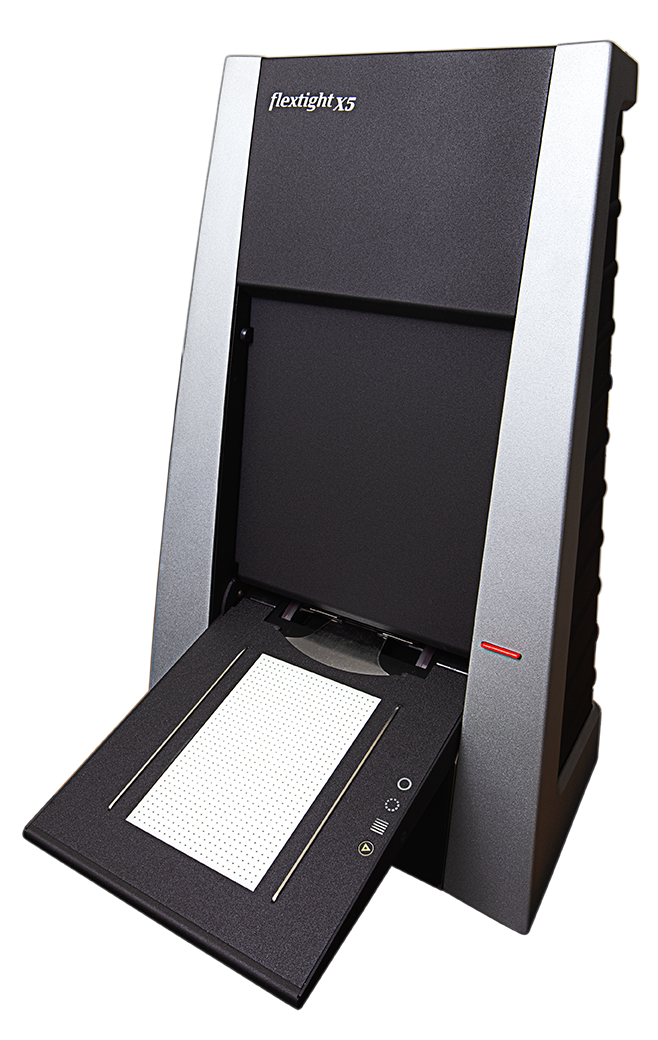
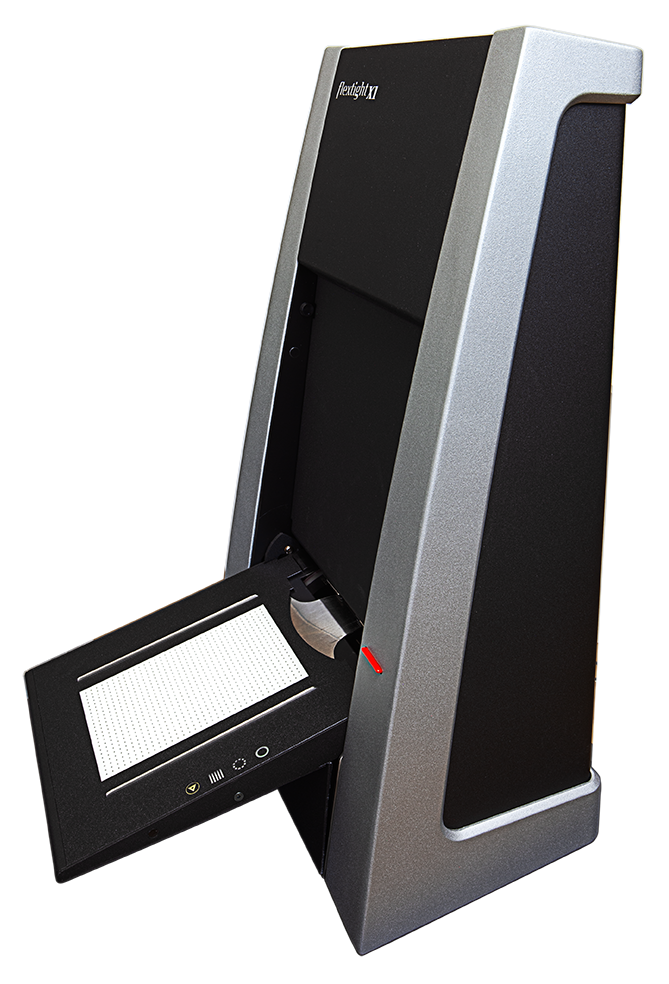
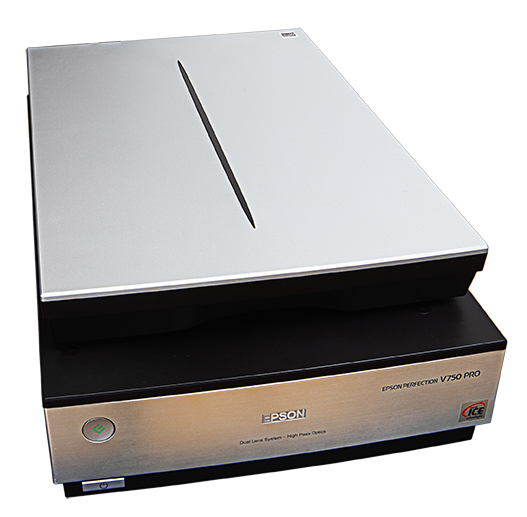
Not every film original should be handled in the same way. The scanner and workflow should be matched to both the condition of the material and the intended output.
Related articles
Further reading on scan preparation and workflow decisions
Explore related guides on resolution, scanner choice and film condition to plan a safer and more effective scanning workflow before the original reaches the scanner.

Not sure how to organise a mixed family archive before scanning?

Tell us what types of originals you have, how the collection is stored and whether any groups are fragile, valuable or difficult to identify. We can recommend a practical preparation and scanning workflow before the project begins.


  • Photo prints
  • Negatives and slides
  • Albums and boxes
  • Labels and existing order
  • Fragile or unidentified groups