Guide

What to Do with an Old Family Archive

An old family archive is rarely just a box of photographs. It may include prints, negatives, slides, albums, documents, notes, envelopes and fragile materials collected across decades. The challenge is not only how to digitise it, but how to approach it without losing context, causing damage or creating even more disorder.
A practical guide to sorting, protecting and digitising family photographs, negatives, slides and paper materials with care.
  • 9 min read
  • Updated 2026
  • Scan Hub Lab
In this article
  • An old family archive should be approached carefully, not rushed.
  • The first priority is understanding what is in the archive and what condition it is in.
  • Original order, notes, sleeves and albums may contain important context.
  • Not every item needs the same scanning method or the same resolution.
  • A good workflow protects both the physical originals and the long-term usefulness of the digital files.

single_article_page_hero_section_image_alt
First step
Do not start with scanning. Start with understanding the archive
When people discover or inherit an old family archive, the first instinct is often to digitise everything as quickly as possible. In practice, that is rarely the best starting point.


A family archive usually contains more than images alone. It may include handwritten notes, lab envelopes, original sleeves, annotations on the back of prints, dated albums, newspaper clippings, mounted portraits, damaged negatives, unidentified slides and duplicate photographs. All of these can affect both the historical value of the archive and the best way to scan it.


Before any technical decision is made, it helps to answer a few simple questions:


  • what types of originals are present,
  • how large the archive is,
  • whether the materials are organised or mixed,
  • what condition they are in,
  • and what the final goal of the project actually is.


Some archives are meant for family sharing. Others are intended for preservation, restoration, publication, exhibition or estate documentation. The right workflow depends on that difference.
Stay calm
Do not sort aggressively or throw anything away too early
One of the most common mistakes with old family archives is over-handling them at the very beginning. People often begin by removing photographs from albums, separating negatives from sleeves, discarding old envelopes or trying to create order too quickly.


That can destroy valuable context.


An archive is not only a collection of images. It is also a record of how those images were kept, grouped, labelled and understood by the family over time. Even a low-value paper sleeve or handwritten note may help identify dates, places, names, studios or relationships later.


Before reorganising anything, it is better to pause and observe. If groups of materials appear to belong together, keep them together until the archive has been reviewed properly. If albums are intact, do not dismantle them unnecessarily. If prints are labelled on the reverse, note that before changing the order.


In the early stages, caution is usually more valuable than speed.
What is inside
Identify the material before choosing the workflow
Most old family archives are mixed collections rather than uniform sets. A single archive may include:


  • photographic prints,
  • black-and-white negatives,
  • colour negatives,
  • mounted slides,
  • medium format film,
  • large format sheets,
  • photo albums,
  • studio portraits,
  • letters and certificates,
  • newspaper cuttings,
  • postcards,
  • and small paper documents stored alongside photographs.


These materials do not behave the same way during scanning. Prints are reflective originals. Negatives and slides are transparent originals. Albums may require non-destructive handling. Fragile papers and mounted items may need a different approach again.


For this reason, the first useful step is to divide the archive broadly by material type, without overcomplicating the process. Even a simple separation into categories such as prints, negatives, slides, albums and documents can immediately make the project safer and easier to plan.
Condition matters
Check what is stable, what is fragile and what may be at risk
The physical state of the archive matters as much as its content. Some family collections have been stored carefully for decades. Others have been kept in attics, basements, garages or mixed household storage, where heat, moisture, dust and poor packaging may have accelerated deterioration.


Common issues include:


  • dust and loose contamination,
  • scratches and abrasion,
  • brittle paper,
  • curled film,
  • warped prints,
  • fingerprints,
  • faded colour materials,
  • damaged sleeves,
  • stuck album pages,
  • adhesive failure,
  • mould risk,
  • and signs of age-related instability.


Not every issue requires immediate intervention, but every issue should influence how the material is handled. A stable print can usually be processed quite easily. A brittle negative, curled transparency or deteriorating album needs a much more cautious path.


If anything appears stuck, cracked, mould-affected or physically unstable, it is better not to force movement or cleaning before professional review.
Original order
Preserve relationships between items whenever possible
Family archives often make sense only when groups of materials remain connected. A packet of negatives may correspond to a set of prints. A studio envelope may identify a portrait. A sequence of slides may document one journey, one house, one event or one generation.

If those relationships are lost too early, the archive becomes harder to understand later.

A practical approach is to preserve original groupings while adding light structure around them. For example:

  • keep envelopes with the materials they belong to,
  • keep slide boxes in sequence,
  • keep albums intact unless there is a strong reason to separate them,
  • and keep notes, labels and written inserts with the relevant images.

Digitisation works best when it preserves not only image content, but also archive logic.
Priorities
You do not always need to scan everything at once
Many people assume that a family archive project must begin with full digitisation of every item. That is not always necessary.

In reality, a better approach is often to establish priorities first. Some materials are clearly more important than others:

  • the oldest photographs,
  • items with visible deterioration,
  • negatives without printed copies,
  • slides from important family events,
  • documents that help identify people and dates,
  • and images needed for an upcoming book, exhibition, anniversary or estate project.

By identifying priority groups, the archive becomes easier to manage. Important items can be stabilised, scanned or documented first, while less urgent material can follow later in a structured second phase.

This often leads to better results than trying to process the entire archive in one uncontrolled effort.
Scanning strategy
Different originals require different scanning decisions
An old family archive usually contains materials with very different technical needs. A small faded print, a clean medium format negative, a mounted 35mm slide and a handwritten document should not be treated as if they require the same capture method.

The right scanning strategy depends on several things:

  • the type of original,
  • its size,
  • its condition,
  • its tonal and colour complexity,
  • its historical value,
  • and the intended use of the resulting file.

For example, a print may need careful reflective scanning. A negative may benefit from a higher-end transparency workflow. A fragile album page may require non-destructive capture. A document may need legibility and tonal neutrality more than maximum file size.

The point is simple: old family archives should not be reduced to a one-setting-fits-all service. Good digitisation begins with selection, matching and judgement.
Resolution and purpose
Scan for actual use, not for abstract numbers
People dealing with family archives often ask one understandable question: what resolution should everything be scanned at?

The better question is: what will the files be used for?

If the purpose is family access, sharing and preservation reference, one level of scanning may be sufficient. If the goal is restoration, reprinting, publication, exhibition or detailed extraction from small originals, higher-end capture may be justified for selected materials.

This is especially important in mixed archives. Not every photograph needs the largest possible file. At the same time, some originals deserve much more than a basic scan.

A practical archive workflow often includes different levels of capture for different priorities:

  • reference-level digitisation for access and identification,
  • higher-quality scanning for important prints and documents,
  • and maximum-quality scanning for valuable negatives, slides or hero images intended for restoration or print.

That approach is usually more intelligent, more economical and more useful in the long term.
Naming and metadata
A digital archive is only useful if it can still be understood later
Digitisation is not only about image capture. It is also about making sure the digital archive remains usable after delivery.

A folder filled with hundreds of unnamed files quickly becomes as confusing as an unsorted box of originals. For that reason, basic naming and structural logic are essential.

Useful information may include:

  • family name or archive name,
  • material group,
  • album or box number,
  • strip or page number,
  • frame number where relevant,
  • approximate date,
  • place,
  • and any known names or events.

Even if complete metadata is not available at the start, a clear and consistent structure makes future identification much easier. This is one of the major differences between simple scanning and thoughtful archive digitisation.
What not to do
Avoid common mistakes that create new problems
Old family archives are often damaged not by age alone, but by well-intentioned attempts to improve them too quickly.

It is generally best to avoid:

  • cleaning delicate materials aggressively,
  • writing directly on original sleeves or photographs,
  • mixing already separated groups,
  • removing photographs from albums without need,
  • discarding paper notes or envelopes too early,
  • repeatedly handling the same materials by hand,
  • stacking damaged items without protection,
  • and choosing a workflow based only on price or file count.

A family archive deserves a calm and deliberate process. The goal is not just to make digital copies. The goal is to preserve meaning, reduce risk and create a collection that remains useful for years to come.
Practical review
What to do first when you open an old family archive
If you are facing boxes, albums or mixed materials and do not know where to begin, this simple order usually works well:

  • look at the archive before changing anything,
  • separate materials broadly by type,
  • identify obviously fragile or priority items,
  • keep notes, sleeves and envelopes with related materials,
  • avoid unnecessary cleaning,
  • define the purpose of the project,
  • and only then decide what should be scanned first and how.

This approach reduces confusion and prevents many avoidable mistakes.
Quick guide
Archive priorities at a glance
Table:

Situation Main concern Recommended approach

Mixed boxes of prints, negatives and documents Loss of order and context Separate only by broad type and preserve original groupings

Old albums with captions or handwritten notes Context loss and handling damage Keep albums intact and document structure before scanning

Fragile negatives or curled film Physical risk during handling Minimise contact and review the safest scanning path first

Large family collection with limited budget Trying to do everything at once Set priorities and scan in phases

Unidentified archive with many duplicates Confusion after digitisation Use clear grouping, naming and basic metadata from the start
Important note
The archive is more valuable than the pile may first appear
Many family archives look chaotic at first. Boxes may be dusty, albums may be worn and negatives may appear anonymous. But once the material is examined properly, archives often reveal a much richer structure than expected.

  • Small details matter:
  • a date on an envelope,
  • a stamp from a photo studio,
  • a handwritten surname,
  • the order of a slide sequence,
  • or a note attached to a portrait.

This is why old family archives should be approached with respect. Their value is not defined only by image quality. It is also defined by memory, authorship, context and continuity between generations.
Before you begin
Common questions about old family archives
Question:
Should I sort everything before sending it for scanning?
Answer:
Only lightly. It is useful to separate materials broadly by type, but over-sorting too early can destroy context and increase handling risk.

Question:
Should I throw away duplicate prints, old envelopes or damaged sleeves?
Answer:
Not at the beginning. Duplicates may still be useful, and envelopes or sleeves may contain important information about date, sequence or origin.

Question:
What if I do not know who is in the photographs?
Answer:
That is common. Even partial identification helps. Groupings, notes, dates, locations and family branches can all be useful starting points for later archive organisation.

Question:
Do all family archives need high-resolution scanning?
Answer:
Not always. The right level depends on the material and the purpose. Some items need reference-level digitisation, while others deserve higher-end scanning for restoration, print or preservation.

Question:
Can old negatives and slides be more valuable than prints?
Answer:
Yes. In many cases, negatives and slides contain more image information than surviving prints and may offer much greater restoration and reproduction potential.
How we work
We treat family archives as collections, not just scanning orders
At Scan Hub, we approach old family archives as structured collections of originals with different materials, conditions and priorities. Before scanning begins, we review what is present, how the archive is grouped, what appears fragile, and what the final purpose of the files should be.

This allows us to recommend a workflow that is:

  • safer for the originals,
  • better organised from the start,
  • more appropriate for mixed archive material,
  • and more useful in the long term than a simple batch scanning approach.
Related equipment
Different film condition and output goals may require different scanning paths
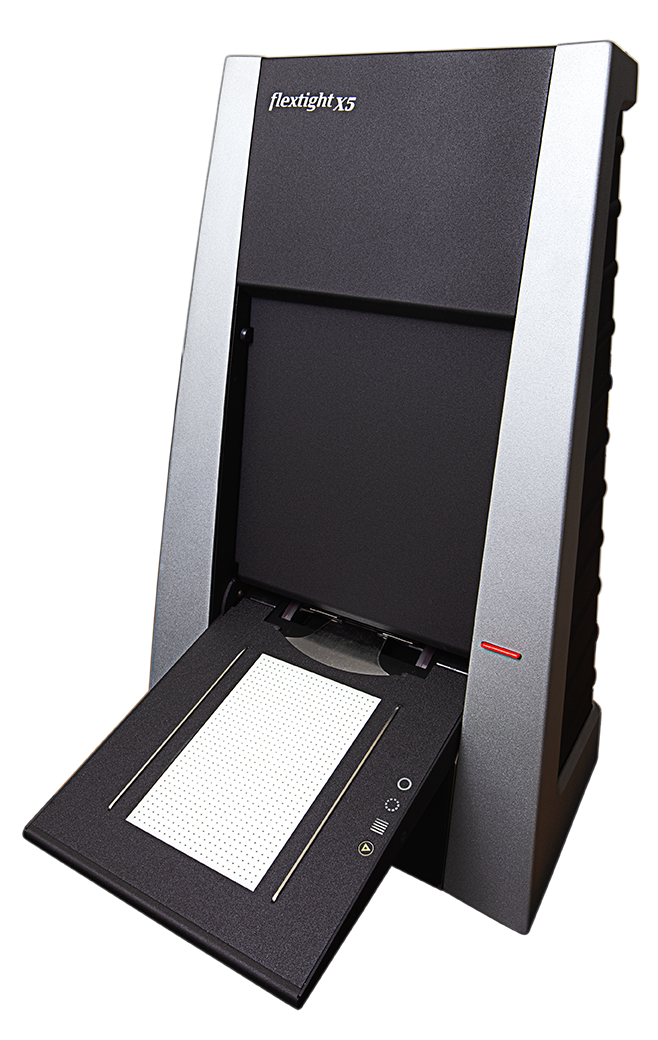
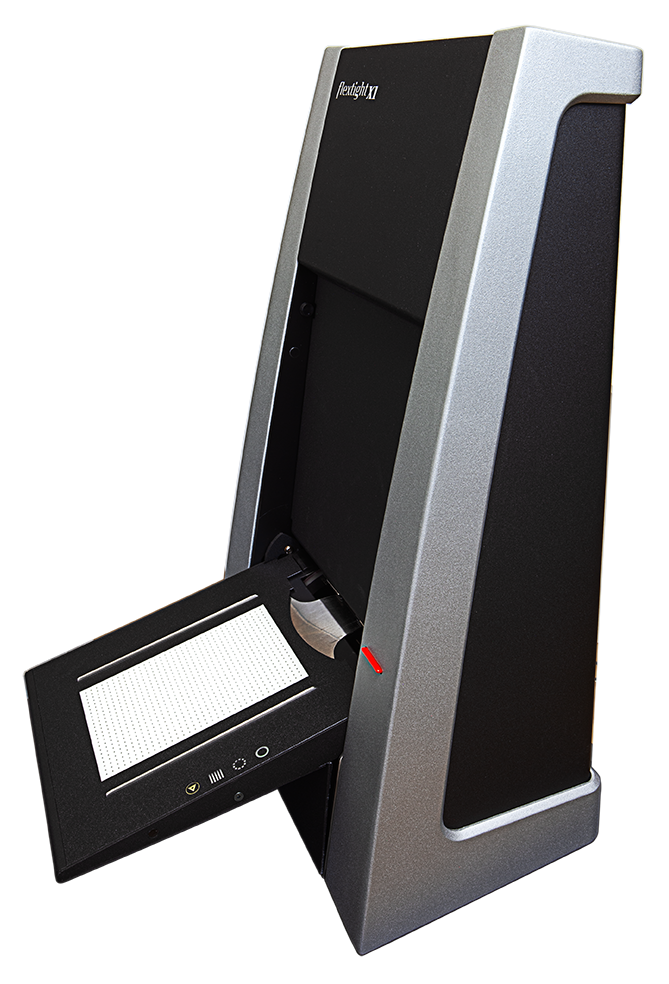
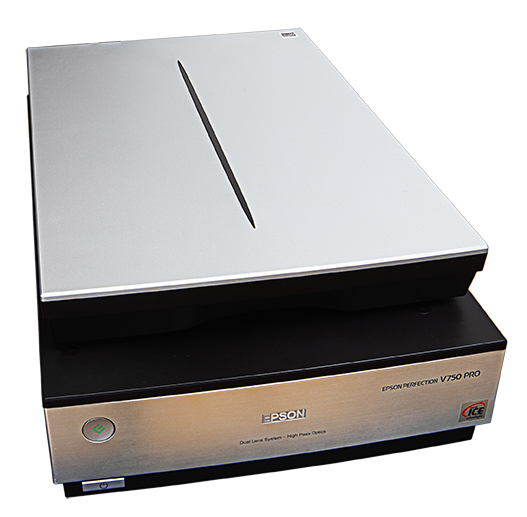
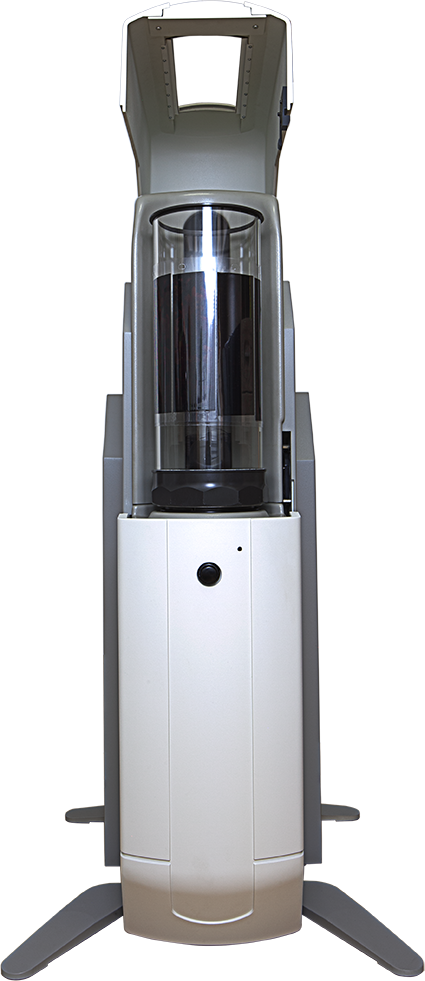
Not every film original should be handled in the same way. The scanner and workflow should be matched to both the condition of the material and the intended output.
Related articles
Further reading on scan preparation and workflow decisions
Explore related guides on resolution, scanner choice and film condition to plan a safer and more effective scanning workflow before the original reaches the scanner.

Not sure where to begin with an old family archive?

Tell us what the archive contains, how it is stored and what you want to achieve. We can help you define a safe, sensible and efficient digitisation workflow before any scanning begins.


  • Photographs, negatives or slides
  • Albums, documents or mixed materials
  • Approximate quantity
  • Current condition
  • Main goal of the project