Insight

When Cheap Digitisation Becomes the Most Expensive Decision

Low-cost scanning often looks attractive at the moment of purchase. But when image quality is limited, handling is careless, files are unusable for print, or valuable originals need to be scanned again, the cheapest option can quickly become the most expensive one.
A practical look at why price alone is a poor way to choose a scanning service, especially when the originals are important and the results are expected to last.
  • 8 min read
  • Updated 2026
  • Scan Hub Lab
In this article
  • The lowest scanning price often hides the highest long-term cost.
  • Poor digitisation can waste image potential that cannot be recovered later.
  • Cheap workflows may increase the risk of mishandling, contamination or unnecessary repeat scanning.
  • A scan should be judged by usability, not by file delivery alone.
  • For valuable originals, the real question is not “How cheap?” but “How safely and how well?”

single_article_page_hero_section_image_alt
The real cost
Cheap scanning is often priced low because something important has been removed
A low scanning price usually does not appear by accident. It is typically the result of compromise somewhere in the workflow: less time per original, less careful handling, lower inspection standards, more automated processing, weaker colour control, lower operator involvement, reduced quality control, or file settings designed for speed rather than maximum usefulness.


At first glance, the result may still seem acceptable. A file is delivered, the order is complete, and the invoice is lower. But the real cost often becomes visible only later, when the files are printed, enlarged, retouched, archived, compared, or revisited for serious use.


In that moment, the client may discover that the scan is not truly a master file, not suitable for demanding output, and not worth what seemed like a saving. The problem is not simply that the scan was cheaper. The problem is that the wrong part of the process was treated as optional.
What gets lost
The damage is not always visible on first inspection
One of the most misleading aspects of cheap digitisation is that the result may appear good enough on a phone, a laptop, or in a small preview. That does not mean the scan has preserved what was actually present in the original.

Loss often appears in more subtle forms:

  • weaker shadow separation,
  • blocked dark areas,
  • compressed highlight transitions,
  • reduced fine detail,
  • rough grain rendering,
  • less stable colour,
  • excessive automated correction,
  • and files that fall apart under serious editing or enlargement.

A poor scan does not always fail dramatically. Sometimes it fails quietly. It delivers an image that looks finished too early, but contains too little information for future use.

That is why serious scanning should not be judged only by immediate appearance. It should be judged by how much of the original remains available in the file.
False economy
The second scan is often what makes the first one expensive
One of the most common consequences of choosing the cheapest option is the need to scan the material again.

This can happen for several reasons:

  • the original scan is too small for print,
  • the tonal range is insufficient,
  • colour decisions were too aggressive,
  • dust and handling marks are too visible,
  • the files are not suitable for retouching,
  • or the client later realises that the originals deserved a better workflow.

At that point, the first payment becomes wasted money rather than a saving. Worse still, the original must often be handled, shipped, inspected and scanned again. With film and other sensitive materials, repeat scanning is not merely inconvenient. It may introduce avoidable risk.

If an original is rare, ageing, fragile or difficult to replace, the cost of doing the job twice is never just financial.
Original safety
The lower the price, the more carefully the handling path should be questioned
Digitisation is not only about the file. It is also about what happens to the original before, during and after capture.

A very low-cost service may be built around throughput rather than material sensitivity. That does not automatically mean the provider is careless, but it does mean the client should ask what level of inspection, preparation and individual handling is realistically possible at that price.

Important questions include:

  • How are originals received and identified?
  • How much manual handling is involved?
  • How are fragile, curled or damaged materials assessed?
  • Is scanner choice matched to condition, or is one workflow applied to everything?
  • How is dust managed?
  • How are files checked before delivery?
  • How are originals repacked and returned?

For ordinary material, an industrial workflow may be acceptable. For important originals, it often is not. The more valuable the material, the less sensible it becomes to buy scanning as if it were a commodity.
Resolution myths
A large file is not the same thing as a good scan
Cheap scanning services often compete with simple, attractive numbers: DPI, megapixels, file size, turnaround speed. These numbers are easy to market, but they can be deeply misleading when presented without context.

A scan is not made valuable simply because the file is large. If focus is unstable, tonal extraction is weak, colour is poorly controlled, or the original was not handled properly, a bigger file only records the limitations more clearly.

Real scan quality depends on more than nominal resolution. It depends on:

  • the capture method,
  • the scanner’s optical behaviour,
  • dynamic range,
  • film flatness and stability,
  • operator judgement,
  • colour management,
  • the cleanliness of the original,
  • and the suitability of the workflow for the specific material.

This is why serious clients eventually stop asking only how many pixels a file contains. They begin asking whether those pixels are actually useful.
Fit for purpose
A scan is cheap only if it remains useful for the work ahead
The value of a scan should be measured against what the file needs to do next.

A file intended only for quick reference may not need the same workflow as a file intended for:

  • large-format printing,
  • publication,
  • high-end retouching,
  • archive preservation,
  • reprographic comparison,
  • exhibition work,
  • or long-term master storage.

If a low-cost scan cannot support the intended use, it was never economical. It simply postponed the real expense.

A better question is not whether a service is cheap or expensive in isolation. A better question is whether the workflow is appropriate to the material and sufficient for the purpose.
Comparison logic
The right scanning decision is made by comparing total value, not only entry price
When clients compare providers, they often begin with the visible number on the price list. That is understandable, but incomplete.

A more intelligent comparison includes:

  • what kind of scanner is used,
  • whether different scanners are available for different originals,
  • how carefully originals are handled,
  • whether the workflow is calibrated and colour-managed,
  • what file types and bit depth are delivered,
  • how much manual review is involved,
  • whether the scan is intended as a master file or just a serviceable copy,
  • and whether the provider can explain why a particular workflow is being recommended.

The strongest scanning services do not present digitisation as a generic one-size-fits-all operation. They explain trade-offs, define the purpose of the scan, and make the decision process visible.

That kind of transparency often costs more at the beginning, but far less over the lifetime of the files.
Where cheap fails
The cheapest offer becomes expensive when any of these are true
Low-cost digitisation often becomes a poor decision when:

  • the original is valuable,
  • the film is fragile or ageing,
  • the image may later be printed larger,
  • retouching or restoration is expected,
  • colour accuracy matters,
  • objective comparison matters,
  • the original is difficult to replace,
  • or the files are expected to function as long-term masters.

In these situations, the problem is not simply image quality in an abstract sense. The problem is that a low-cost workflow may destroy options that the client only fully appreciates later.

A scan should preserve future possibilities, not close them down.
Professional judgement
Not every original needs the most expensive scan, but every original deserves the right one
It is important to say that not every item requires a premium workflow. Some originals are straightforward, stable, and intended only for modest use. In such cases, a simpler approach may be entirely reasonable.

The real mistake is not choosing a lower-cost service when the project truly allows it. The real mistake is choosing on price alone without considering:

  • the condition of the original,
  • the importance of the image,
  • the expected output,
  • the need for future flexibility,
  • and the consequences of failure.

Professional scanning is not about making every job maximally expensive. It is about matching the level of care, extraction and handling to the real value of the material.
Decision guide
How to tell whether low-cost digitisation is actually a false saving
Before placing an order, it is worth asking:

  • Is this file only for quick access, or for serious future use?
  • If the scan disappoints, can the original be safely rescanned?
  • Is the original rare, fragile or irreplaceable?
  • Will I need retouching latitude, reliable colour or large print potential?
  • Do I know how the service handles different film conditions and formats?
  • Am I buying a true capture workflow, or only a fast file delivery service?

If the answer to any of these questions suggests higher stakes, then the cheapest quote may not be the most economical one at all.
Quick guide
When cheap scanning costs more
Table:
Situation Main apparent saving Real long-term cost Better decision
Small upfront price difference Lower order total today Rescanning, re-editing, weaker output quality Choose the workflow that matches final use
Oversized but weak files High resolution on paper Limited print and retouching value Judge by usable image data, not file size alone
One workflow for every original Simpler ordering Poor fit for fragile, curled or dense material Match scanner and handling path to condition
Fast automated processing Lower labour cost Aggressive corrections and less control Use workflows with informed operator review
Important originals sent to cheapest provider Lower immediate spend Higher risk to irreplaceable material Prioritise safe handling and master-file quality
Important note
The most expensive scan is the one that has to be done again
Clients often think of scanning cost as a line item. In reality, it is part of a larger chain that includes shipping, handling, preparation, review, retouching, printing, archiving and trust in the final file.

If the original has to be rescanned, if the file cannot support the intended output, or if confidence in the result is lost, then the cheaper service was not cheaper in any meaningful sense.

For serious work, a good scan is not an indulgence. It is cost control.
Before you order
Common questions about cheap vs professional digitisation
Question:
Is expensive scanning always necessary?
Answer:
No. Some originals and some projects do not require a premium workflow. But when the material is important, fragile, or intended for demanding output, choosing only by price often leads to a poor result.

Question:
What is the main risk of cheap scanning?
Answer:
The main risk is not only visible quality loss. It is the loss of future usability. A file may look acceptable at first but contain too little real information for printing, retouching, restoration or long-term archival use.

Question:
Why can rescanning become such a problem?
Answer:
Because it adds cost, time, shipping and handling. With valuable or delicate originals, a second scan also means exposing the material to avoidable additional risk.

Question:
Does a larger file mean a better scan?
Answer:
No. File size and nominal resolution do not guarantee better tonal extraction, better colour, better focus, or safer handling. A large file from a weak workflow is still a weak result.

Question:
How should I compare scanning services properly?
Answer:
Compare not only price, but also scanner suitability, handling standards, colour management, operator involvement, delivered file quality and whether the workflow is designed for your actual purpose.
How we work
We evaluate cost in relation to result, risk and long-term value
At Scan Hub, we do not treat scanning as a generic low-cost volume operation. We review the original, its condition, its format and the intended use of the file before recommending a workflow.

That approach helps clients avoid two common mistakes at once: overpaying for unnecessary specification and underpaying for a result that later proves insufficient.

Our goal is not to make every scan more expensive. Our goal is to make sure the client pays once for the right level of work.
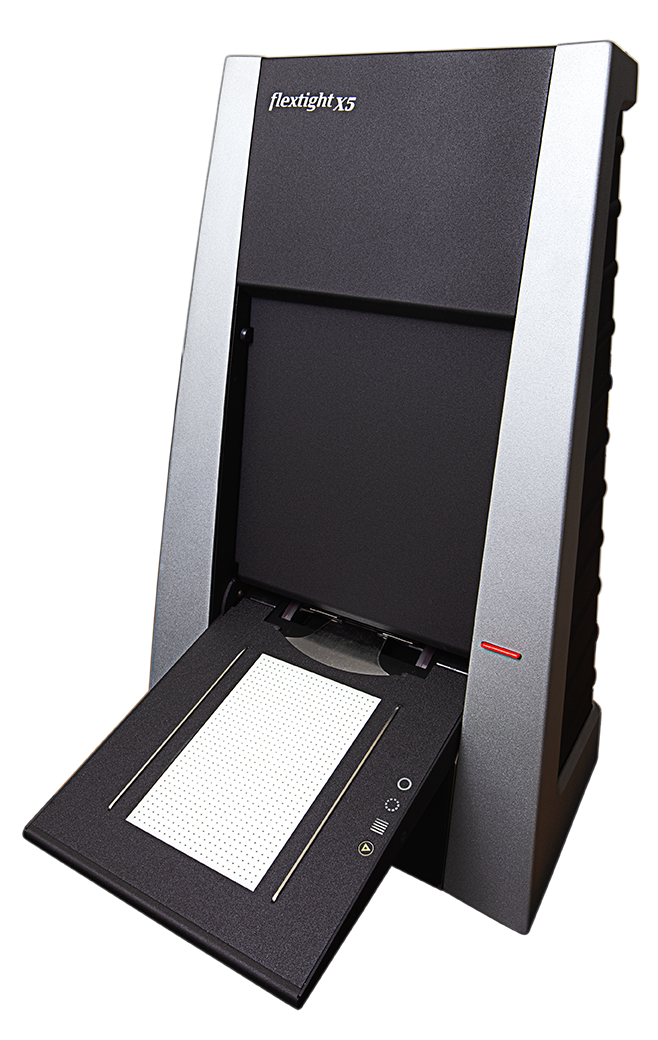
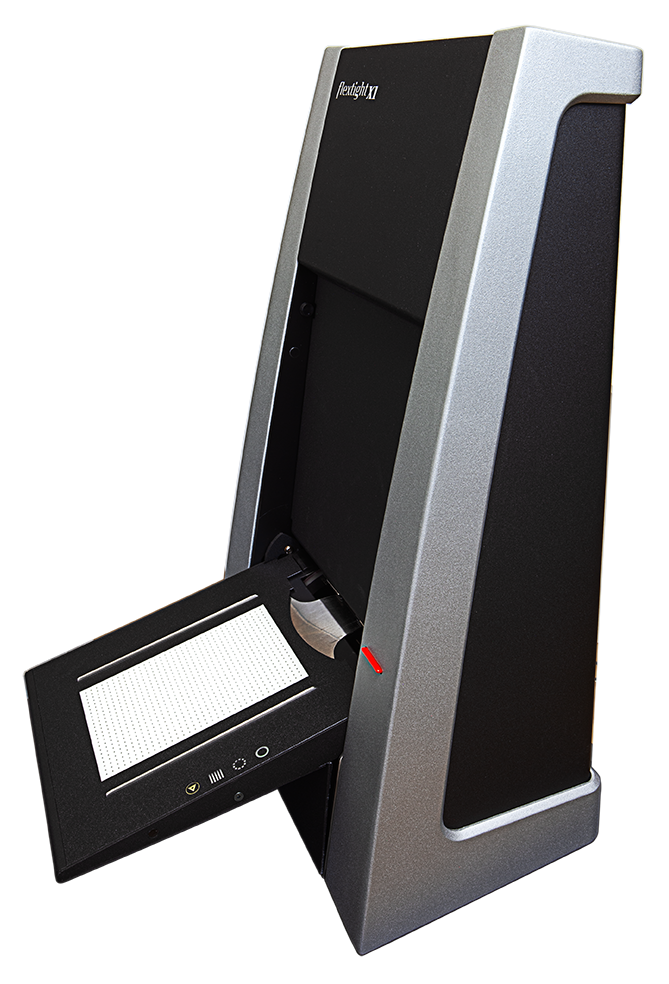
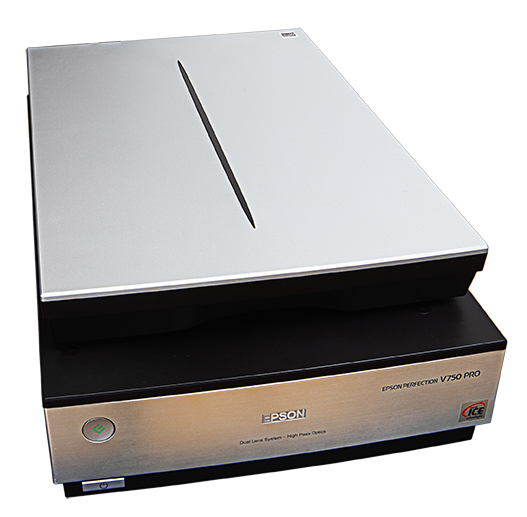
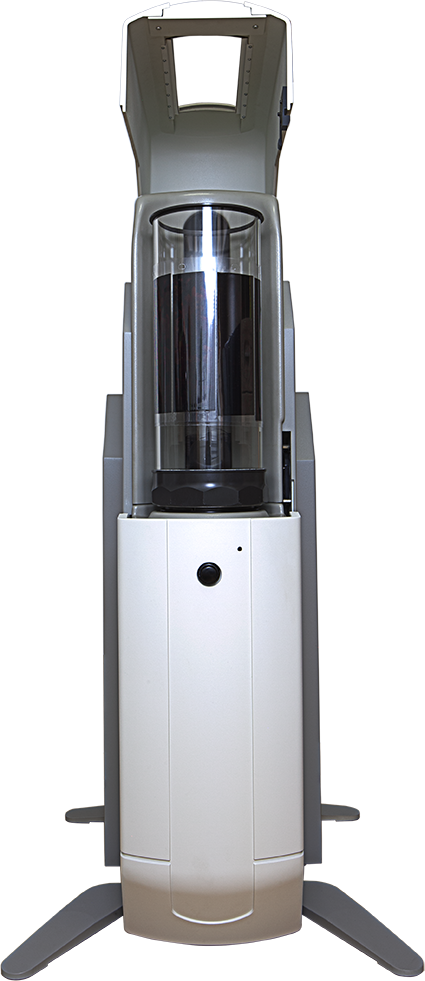
Related equipment
Different film condition and output goals may require different scanning paths
Not every film original should be handled in the same way. The scanner and workflow should be matched to both the condition of the material and the intended output.
Related articles
Further reading on scan preparation and workflow decisions
Explore related guides on resolution, scanner choice and film condition to plan a safer and more effective scanning workflow before the original reaches the scanner.

Not sure whether a cheaper scan is good enough for your originals?

Tell us what you have, how important the material is, and what the final files need to do. We can recommend a scanning path based on quality, handling safety and long-term value, not just entry price.


  • Original type and format
  • Number of items
  • Physical condition
  • Intended output
  • Need for print, retouching or archive master files